
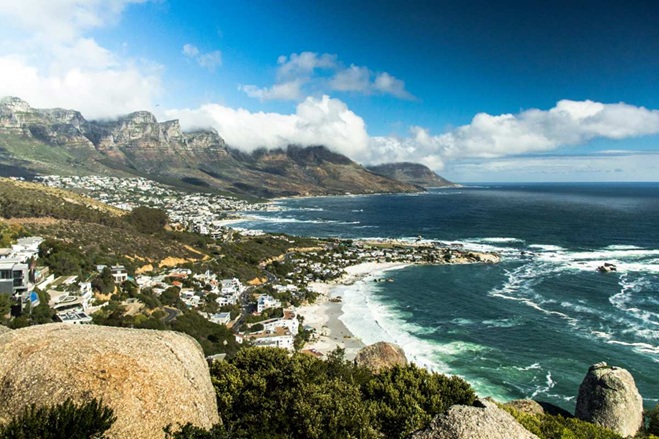
Cape Verde isn’t a place you “do” quickly. It doesn’t lend itself to neat itineraries or must-see lists. It’s an archipelago that asks for patience — not because there’s nothing happening, but because what matters happens slowly. Wind, music, light, conversations. You notice them only if you stop trying to optimize your time.
Before anything else, it helps to reset expectations. Cape Verde is African, Atlantic, Creole. It’s not tropical excess or European order. It’s something in between, shaped by distance and weather.
Start by Choosing the Right Island (or Two)
Each island has a distinct personality, and trying to see them all usually means understanding none of them. Sal and Boa Vista are flat, dry, open to the horizon — more about space and light than landmarks. São Vicente feels cultural and urban, with Mindelo’s music and late nights. Santo Antão is the opposite: steep, green, demanding, deeply rural.
The biggest mistake is assuming the islands are interchangeable. They’re not. Choosing well matters more than choosing a lot.
Let the Landscape Set the Pace
Cape Verde’s landscapes don’t invite rushing. On Santo Antão, roads cling to cliffs and force you to slow down. On Sal, the emptiness does the same job. There’s very little visual noise. You start noticing gradients of color, changes in wind, the way clouds move and disappear.
Hiking here isn’t about conquering trails; it’s about understanding terrain. Even short walks feel immersive, not because they’re dramatic, but because they’re uninterrupted.
Music Is Not Entertainment, It’s Infrastructure
You don’t go looking for music in Cape Verde — it finds you. In bars, on streets, through open windows. Morna and coladeira aren’t performances staged for visitors; they’re part of how people communicate emotion.
The key is not to treat music nights as events. Sit down. Stay longer than planned. Let the evening unfold. Applause is optional; listening isn’t.
Food Is Simple, but Contextual
Meals in Cape Verde reflect scarcity more than abundance. Fish, corn, beans, root vegetables. Cachupa appears everywhere, slightly different each time. Restaurants don’t compete on creativity; they rely on timing, freshness, and repetition.
Eating well here often means eating without expectations. Portions can be generous or modest. Service follows its own rhythm. Once you accept that, meals become moments rather than transactions.
Beaches Are for Staying, Not Checking Off
Yes, the beaches are beautiful — but their appeal is endurance, not spectacle. Long stretches of sand, strong winds, few distractions. These are beaches for walking, watching, thinking.
If you’re expecting loungers and constant service, you’ll be disappointed. If you’re open to emptiness and movement, you’ll understand why people come back.
Practical Tips That Actually Matter
Time behaves differently here. Things take longer. Flights change. Shops close without warning. Fighting this only creates friction. Build space into your days.
Weather matters more than attractions, which is why understanding seasons is crucial. Before planning too tightly, it’s worth consulting a guide on when to visit Cape Verde — not to chase perfection, but to avoid unnecessary frustration.
Cash is still important. Connectivity can be uneven. Comfort exists, but it’s quiet and functional rather than indulgent.
What You Take Home
Cape Verde doesn’t overwhelm you with memories. It leaves subtler traces. A slower walking pace. A tolerance for waiting. A new relationship with silence and wind.
You don’t leave feeling like you’ve “seen everything.” You leave feeling adjusted — slightly recalibrated. And that, more than sights or activities, is the real reason to go.
