
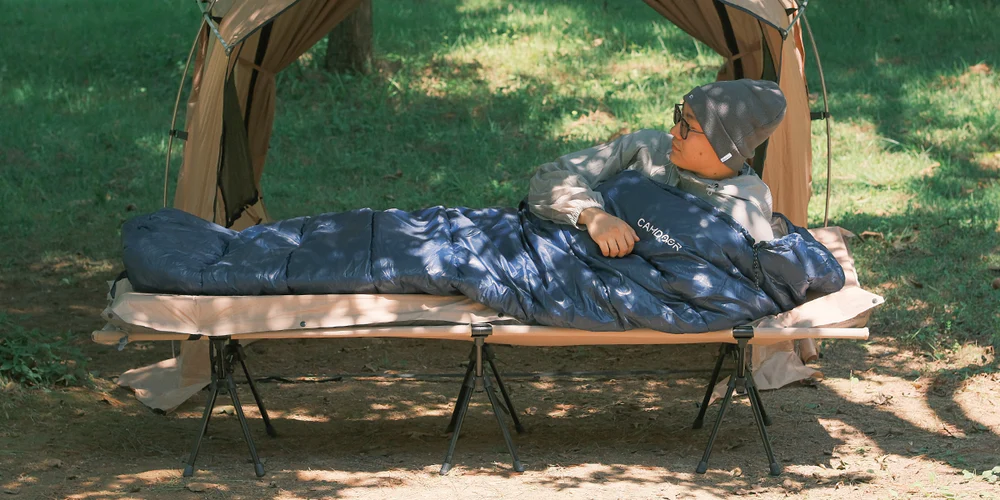
Camping has become one of Japan’s most beloved leisure activities, attracting beginners, solo adventurers, and families alike. While outdoor recreation is rising globally, Japan’s camping culture has grown especially fast due to the country’s unique blend of natural beauty, cultural values, and modern lifestyle needs. For many people, camping is far more than a weekend hobby—it is a refreshing break from urban routines, a return to nature’s rhythms, and a way to enjoy simple, intentional living. With easy access to nature and an increasing interest in quality キャンプ 用品, Japan offers the perfect environment for outdoor enthusiasts of all levels.
A Cultural Appreciation for Nature and the Seasons
Japan’s deep respect for seasonal beauty plays a major role in the popularity of camping. Each season brings its own charm, from spring blossoms to summer greenery, autumn colors, and winter snowscapes. Camping allows people to experience these natural transitions up close, creating emotional connections that align with traditional Japanese values such as mindfulness, harmony, and seasonal awareness. Spending a night outdoors becomes a way to honor and observe nature rather than simply a recreational activity.
Diverse Landscapes That Are Easy to Access
Japan’s compact geography allows campers to reach coastlines, mountains, forests, and lakes quickly from major cities. This convenience enables people with limited free time to enjoy nature without long-distance travel. The availability of different terrains encourages exploration and adds variety to the camping experience, making each trip feel distinct. Whether traveling by train, bus, or car, most people can find a beautiful camping area within a few hours—making camping a practical and appealing weekend activity.
A Way to Escape Stress and Reset Mentally
Urban life in Japan is fast-paced and demanding, and many people seek quiet spaces to decompress. Camping offers a peaceful alternative to crowded transportation, digital screens, and busy city streets. Sleeping under the sky, listening to natural sounds, and waking up with fresh air provide a sense of mental reset that urban environments cannot match. Tasks like preparing meals or setting up a tent shift the mind toward slower, more mindful routines, giving campers the break they need to recharge emotionally.
The Rising Popularity of Solo Camping
Solo camping has become one of Japan’s most distinctive outdoor trends. Many people appreciate the ability to camp alone at their own pace, free from social pressure or schedules. This independent style resonates with the cultural value placed on personal space and quiet reflection. For some, solo camping is a meditative practice; for others, it is an empowering way to enjoy freedom and independence in nature. This trend has broadened the camping community and made camping more inclusive for people who prefer solitude.
Connection to Minimalist and Intentional Living
Japanese society has long valued simplicity and minimalism, and camping naturally reflects these principles. With only essential items—such as a tent, cooking tools, and a 寝袋—campers enjoy a lifestyle free from unnecessary clutter. This simplicity encourages people to focus on the moment and appreciate the basics that bring comfort. Many find that spending time outdoors helps reset their perspective, reduce stress, and return home with a clearer and more intentional mindset.
Families Embrace Camping for Learning and Bonding
For families, camping is a hands-on way for children to learn about nature, responsibility, and outdoor skills. Many parents appreciate that camping encourages kids to move away from screens, explore freely, and develop curiosity. Simple activities such as collecting firewood, observing stars, or helping with campsite setup become memorable learning moments. Shared outdoor experiences strengthen family communication and create lasting memories that feel richer than typical indoor outings.
Beginner-Friendly Facilities Encourage Participation
Japan’s well-organized and clean campgrounds make camping accessible even to complete beginners. Many sites offer reliable facilities, safe environments, and easy access by public transport. This reduces the worries that first-time campers may have and allows them to enjoy nature comfortably. The availability of rental services, guided experiences, and beginner-friendly spaces helps lower the barrier to entry, encouraging more people to try camping without feeling overwhelmed by technical skills or heavy preparation.
A Balanced Way to Step Away From Daily Life
Ultimately, camping is popular in Japan because it offers a meaningful break from routine while aligning perfectly with cultural values, modern needs, and the desire for balance. It provides quiet moments for reflection, opportunities to reconnect with loved ones, and a refreshing escape from daily stress. Whether enjoyed alone or shared with others, camping offers a sense of freedom and simplicity that modern life often lacks. With the growing interest in outdoor living and the availability of well-designed camping equipment, camping continues to thrive as one of Japan’s most enjoyable and enriching ways to unwind.
