
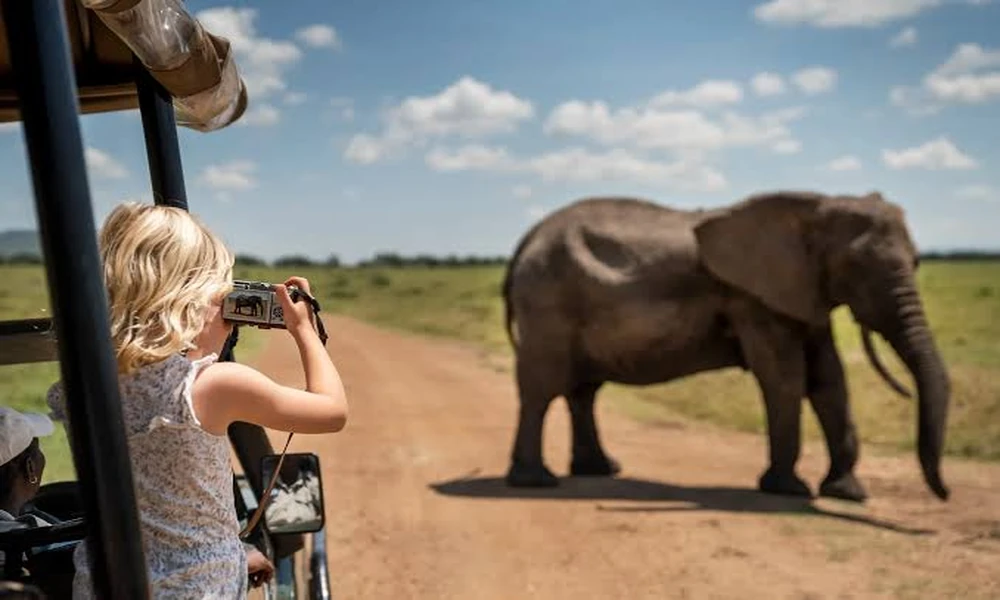
Tanzania safari planning guide is the first step toward experiencing one of the world’s most remarkable wildlife destinations. With vast savannahs, iconic national parks, diverse wildlife, and breathtaking landscapes, Tanzania offers an extraordinary African adventure for first-time visitors and experienced travelers alike. A well-planned safari ensures that you make the most of your journey while enjoying comfort, safety, and unforgettable encounters with nature.
Choose the Right Time to Visit Tanzania
The timing of your safari plays an important role in determining your overall experience. Tanzania is a year-round safari destination, but different seasons offer unique advantages.
The dry season, from June to October, is considered one of the best times for wildlife viewing. During this period, animals gather around rivers and water sources, making them easier to spot. The weather is generally pleasant, and the chances of seeing large numbers of wildlife are excellent.
The months of January to March are also highly rewarding, especially in the Serengeti region. This period is known for the wildebeest calving season, when thousands of newborn animals arrive, attracting predators and creating dramatic wildlife scenes.
The rainy seasons, from March to May and November, offer fewer crowds, green landscapes, and attractive prices. Travelers who prefer a quieter experience may find this period ideal.
Select the Best Safari Destinations
Tanzania is home to several world-famous national parks and conservation areas, each offering a different safari experience.
The Serengeti National Park is the country’s most famous wildlife destination and is renowned for the Great Migration, where millions of wildebeest and zebras travel across the plains. It is also one of the best places to see lions, cheetahs, elephants, giraffes, and other African wildlife.
The Ngorongoro Conservation Area is another must-visit location. The Ngorongoro Crater is a natural wildlife haven surrounded by dramatic volcanic scenery and offers excellent opportunities to see a wide variety of animals in a relatively small area.
Tarangire National Park is famous for its large elephant populations and impressive baobab trees, while Lake Manyara National Park offers beautiful scenery, birdwatching opportunities, and diverse wildlife.
Decide on the Type of Safari
Choosing the right safari style depends on your budget, travel preferences, and desired level of comfort.
A private safari provides flexibility, allowing you to customize your itinerary and enjoy a more personalized experience. Group joining safaris are a more affordable option where travelers share a vehicle and guide with other visitors. Luxury safaris offer premium accommodation, exclusive experiences, and additional comfort in the wilderness.
Camping safaris provide a closer connection with nature, while lodge and tented camp safaris offer greater comfort after a day of exploration.
Plan Your Safari Budget
Tanzania safari planning guide vary depending on the length of the trip, accommodation type, transportation, and activities included. When creating your budget, consider expenses such as park fees, accommodation, meals, guide services, transportation, flights, travel insurance, and optional activities.
Additional experiences such as hot air balloon rides over the Serengeti, cultural visits, and walking safaris can make your journey even more memorable.
Prepare for Your Safari
Proper preparation helps ensure a smooth and enjoyable trip. Travelers should pack lightweight clothing, comfortable walking shoes, sunglasses, sunscreen, a hat, binoculars, and a camera to capture wildlife moments. Neutral-colored clothing is recommended because it blends well with the natural environment.
It is also important to check visa requirements, travel insurance coverage, and recommended vaccinations before departure. Consulting a travel professional or safari operator can help ensure all arrangements are completed correctly.
Choose a Reliable Safari Operator
Selecting a trusted safari company is one of the most important parts of planning your Tanzania adventure. A professional operator should provide experienced guides, well-maintained vehicles, clear pricing, and strong knowledge of local parks and conservation practices.
Reading reviews, checking previous traveler experiences, and comparing itineraries can help you choose a company that matches your expectations.
Conclusion
A Tanzania safari is more than just a holiday; it is an opportunity to experience some of the world’s most spectacular wildlife and landscapes. Careful planning, the right destination choices, suitable timing, and a reliable safari partner can transform your trip into an unforgettable African adventure. Whether you dream of witnessing the Great Migration, exploring ancient volcanic landscapes, or discovering the beauty of the African wilderness, Tanzania offers a safari experience that will remain in your memory forever.
