
Key Takeaways
- An Arctic cruise requires different packing strategies depending on the season.
- Layering is the most effective way to stay comfortable in changing Arctic conditions.
- Waterproof outerwear and suitable footwear are essential throughout the year.
- Summer cruises still require warm clothing despite milder temperatures.
- A tour company can provide guidance on destination-specific packing requirements.
Introduction
Packing for an Arctic cruise is different from preparing for most other holidays. Arctic weather can change quickly, and temperatures vary significantly between spring, summer, and autumn voyages. Travellers need to balance warmth, comfort, and practicality while avoiding overpacking. Understanding seasonal conditions helps ensure that essential items are included and that travellers remain comfortable during excursions, wildlife viewing, and onboard activities.
Essential Items for All Seasons
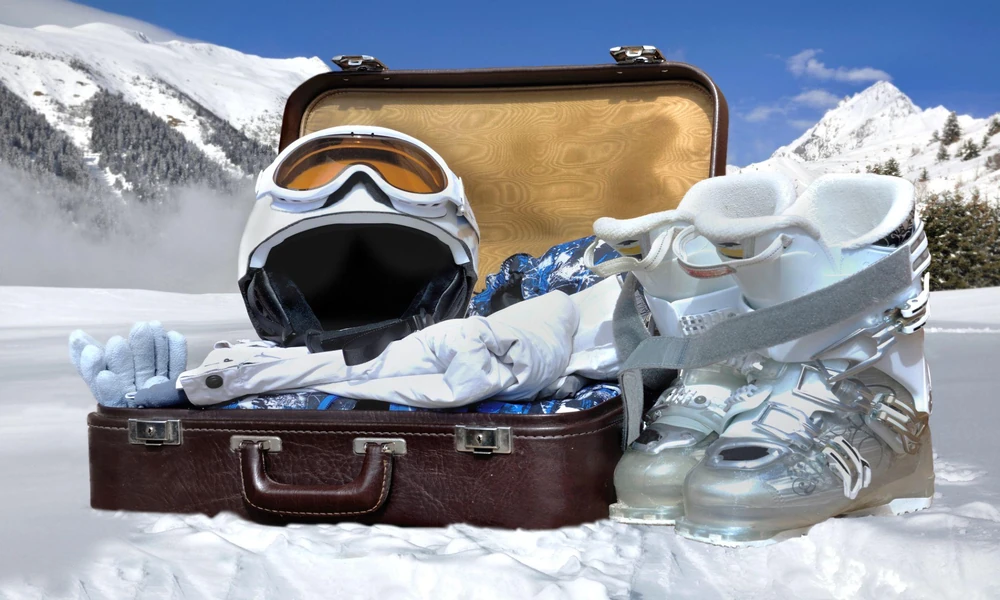
Certain items belong on every Arctic packing list regardless of the time of year. The most important principle is layering. A moisture-wicking base layer helps keep the body dry, an insulating mid-layer retains warmth, and a waterproof outer layer protects against wind, rain, and sea spray. This combination allows travellers to adapt to changing conditions throughout the day.
Waterproof footwear is equally important. Shore landings often involve wet terrain, snow, or uneven ground, making sturdy boots essential. Warm socks, gloves, a hat, and a scarf or neck gaiter should also be packed. Sunglasses and sunscreen are often overlooked but remain important because sunlight reflects strongly off water, ice, and snow. Other useful items include binoculars, a small daypack, portable chargers, and waterproof protection for cameras and mobile devices.
Packing for Spring Arctic Cruises
Spring cruises are generally the coldest Arctic voyages. Sea ice is still present in many regions, and temperatures often remain below freezing. Travellers should focus on insulation and protection from cold winds when preparing for a spring departure.
Thermal clothing becomes particularly important during this season. Multiple base layers, fleece jackets, insulated trousers, and a heavier outer jacket help maintain warmth during outdoor activities. Waterproof gloves and extra thermal socks are useful additions, especially for travellers who plan to spend long periods observing wildlife or exploring ashore.
Weather conditions can shift rapidly in spring, making flexible layering essential. Rather than relying on one bulky coat, several layers allow travellers to adjust their clothing as temperatures change. This approach provides better comfort and makes it easier to stay warm throughout the journey.
Packing for Summer Arctic Cruises
Summer is the most common season for an Arctic cruise because of longer daylight hours and easier access to remote destinations. However, travellers should not assume that Arctic summers are warm. Temperatures can still be cool, particularly on deck and during boat excursions.
Lightweight thermal clothing, fleece layers, and waterproof jackets remain necessary. The main difference is that fewer heavy insulating garments are typically required. Summer travellers should also prepare for stronger sunlight. Sunglasses, sunscreen, and lip protection become particularly valuable because of the extended daylight hours experienced in many Arctic regions.
Some destinations may experience increased insect activity during summer. Packing insect repellent and lightweight long-sleeved clothing can improve comfort during shore excursions. Breathable clothing is also useful because temperatures can vary between outdoor activities and heated indoor spaces onboard. When booking through a tour company in Singapore, travellers can also receive destination-specific packing advice to ensure they are well prepared for Arctic summer conditions.
Packing for Autumn Arctic Cruises
Autumn cruises bring cooler temperatures and more unpredictable weather. Rain, wind, and colder conditions become increasingly common as the season progresses. Travellers should prepare for a wider range of weather scenarios than they might encounter during summer.
A flexible layering system remains the best solution. Thermal base layers, fleece jackets, waterproof shells, and insulated accessories should all be included. Waterproof bags or protective covers for electronics are also worth packing, particularly when rain becomes more frequent.
The goal during autumn is versatility. Conditions can change quickly, and travellers who pack adaptable clothing are better prepared for both outdoor excursions and time spent onboard.
Conclusion
Successful packing for an Arctic cruise depends on understanding seasonal conditions. Spring requires additional insulation, summer calls for lighter but still warm layers, and autumn demands flexibility for changing weather. Regardless of the season, waterproof clothing, sturdy footwear, and a layered approach remain essential. Working with a reputable tour company can also help travellers prepare for specific destinations and ensure they bring everything needed for a comfortable Arctic adventure.
Contact Intriq Journey SG to receive expert advice on seasonal itineraries, packing requirements, and expedition preparation.
