
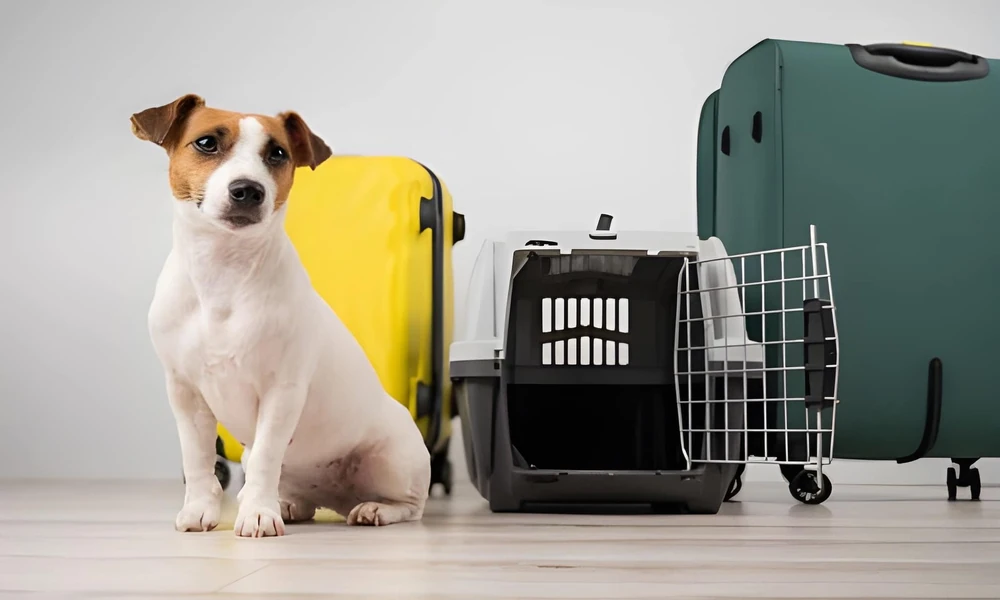
Moving to another country with a pet involves more than simply arranging transportation. Every international move comes with its own set of requirements, and the overall expense depends on several variables.
Veterinary care, travel documentation, airline policies, import regulations, and destination-specific rules all contribute to the final cost. Since no two relocations are exactly alike, understanding these expenses early can help owners prepare a realistic budget and avoid unnecessary financial surprises later.
Before making travel arrangements, it is helpful to understand the international pet relocation cost involved in the process. Starwood Pet Travel provides information about the factors that influence relocation expenses, including destination regulations, transportation logistics, documentation requirements, and optional travel protection.
Because journey of each pet can be different, the total cost depends on the specific travel plan and the requirements of the destination country.
What Affects the Total Cost?
There is no standard price for relocating a pet internationally. Instead, several individual expenses combine to determine the final amount.
Common cost factors include:
- Veterinary examinations and health certificates
- Import permits and government documentation
- Airline-approved travel crates
- Air transportation charges
- Customs or clearance procedures
- Destination-specific import requirements
- Optional travel protection services
Reviewing each of these items early makes financial planning much easier.
Request a Detailed Estimate Early
Obtaining a pet travel quote before confirming travel plans gives owners a clearer picture of the expected expenses. The estimate generally reflects details such as the size of the pet, breed, travel route, destination country, and any additional services that may be required.
Having this information in advance allows families to plan their relocation budget with greater confidence rather than dealing with unexpected costs later.
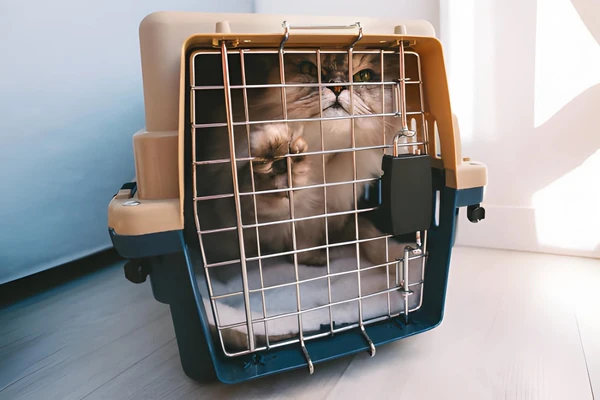
Destination Rules Can Influence Expenses
Families moving to Australia with pets should remember that Australia follows strict biosecurity regulations for incoming animals. Depending on the circumstances, pets may need specific veterinary procedures, documentation, and government approvals before travel.
These additional requirements can affect both the relocation timeline and the overall budget, making early preparation especially valuable.
Plan Ahead to Avoid Extra Costs
Good pet relocation planning often helps reduce avoidable expenses. Scheduling veterinary appointments early, understanding destination regulations, preparing documents on time, and selecting suitable travel dates can prevent costly last-minute decisions. A well-organized approach also provides enough flexibility if additional paperwork or approvals become necessary before departure.
Consider Optional Protection
Some owners also choose optional travel protection for added peace of mind. Depending on the provider, these plans may offer support for certain unforeseen situations that could affect a pet’s journey. Understanding exactly what is covered, and any exclusions that may apply, helps owners decide whether this additional protection suits their individual relocation needs.
Relocating internationally with a pet is both an emotional and financial commitment. Costs vary according to destination, travel arrangements, and regulatory requirements, but careful preparation makes the process much more manageable. By understanding where expenses come from and planning each stage well in advance, pet owners can reduce unexpected costs and help ensure a smoother, safer journey for their animal companion.Top of Form
