
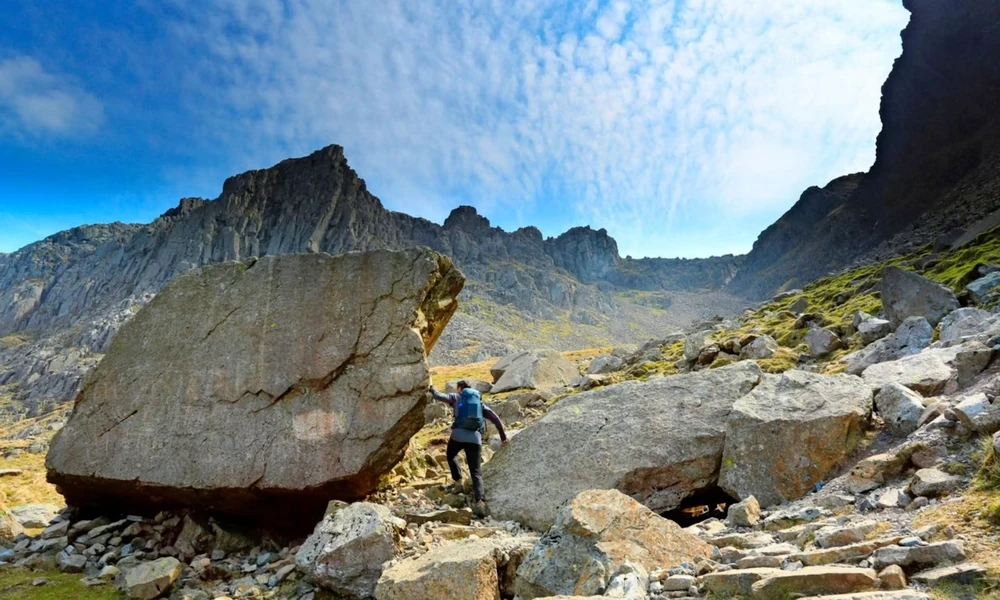
Unexpectedly fast changes in mountain conditions may make a simple trek considerably more difficult. It might be difficult to evaluate familiar-looking scenery due to low cloud cover, mist, rain, and fading sunshine. Because its top parts are exposed, rough, and sometimes hard to traverse when landmarks vanish, Scafell Pike poses unique problems. Therefore, being well-prepared entails much more than just calculating the distance to the top. Before heading out, walkers should think about time, fitness, clothing, navigation, and decision-making.
Recognise How Fast Visibility Can Change
After walking and travelling for a substantial amount of time, participants in the 3 Peaks Challenge UK may reach Scafell Pike. This may make shifting circumstances more crucial. Good sight higher up the mountain is not assured by a clear view from the valley. While wind and rain might make navigating more challenging, clouds can shift swiftly over the top. Instead of depending only on what they can see from the starting location, hikers may better comprehend potential circumstances by consulting a thorough mountain forecast before beginning.
The Significance Of Navigation Skills
When surrounding elements are plainly apparent, paths are considerably simpler to follow. However, hikers may only be able to see a short distance ahead under dense cloud cover. It might become challenging to see junctions, cairns, slopes, and other helpful characteristics.
Instead of believing that following other hikers would be sufficient, anybody climbing Scafell Pike should have a suitable navigation strategy. A map and compass are still useful tools, especially when electronic gadgets malfunction, run out of battery life, or provide false assurances. When visibility declines, being able to locate yourself, follow a heading, and identify key terrain features might be crucial.
Before You Go, Plan Your Route
Prior to arriving at the mountain, the route should be prepared. Walkers should be aware of their desired climb, key intersections, estimated distances, elevation changes, and the downward path they want to take.
Because descending may sometimes be more complicated than rising, this preparation is very helpful. Around rocky locations, many routes may seem feasible, especially when clouds obscure far-off reference points. The quantity of information that must be processed when fatigued, cold, or wet is decreased when the route is reviewed in advance.
Bring Equipment For Potential Conditions
Instead of only reflecting the weather in the parking lot, mountain equipment should take into account prospective circumstances. It may become crucial to have waterproof outer layers, appropriate walking shoes, warm clothes, gloves, food, drink, navigational aids, and a head lamp.
The need to be prepared for quickly changing mountain weather may also be reinforced by experience acquired when climbing Ben Nevis. In Britain, the feeling of higher altitudes might vary greatly from that of nearby lowlands. At the start of a trip, carrying extra garments can seem pointless, but as the temperature drops and the wind picks up, they might become useful.
Allow Enough Time For Yourself
Progress is inherently slowed by reduced visibility. It may be necessary for walkers to pause often in order to verify their position, examine the path, or exercise caution while navigating uneven terrain. There may be pressure to go more quickly than is safe if a timetable allows no time for relaxation.
A realistic time schedule at the outset allows for unforeseen delays. Establishing turnaround points before starting makes sense as well. It should never become more crucial to reach the peak than to react correctly to worsening weather, exhaustion, or unclear navigation.
Make Choices Depending On The Situation
Being open to altering the plan is part of preparation. Regardless of the situation, mountain trekking shouldn’t become a commitment to reaching a certain location. Turning back could be the right course of action if visibility is really bad, the weather gets worse, or group members get tired.
Reduced visibility significantly alters the nature of the difficulty, yet Scafell Pike may still provide an amazing mountain experience. Walkers who are well-prepared have more alternatives when challenging situations arise. Walkers may confront unpredictable mountain weather with more confidence and make better judgements during their trip if they know the route, bring the right equipment, give themselves enough time, and keep a good sense of navigation.
