
The Problem: Expectations Don’t Match Reality
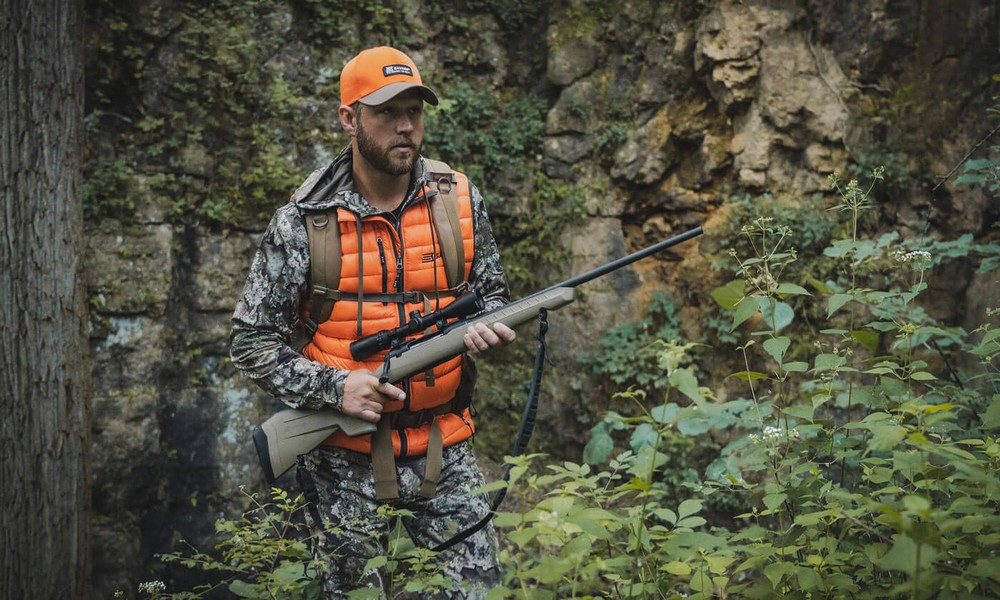
Many hunters begin with a clear image of how the experience should unfold-spot the animal, take position, and act. But red stag hunting rarely follows such a straightforward path. The terrain can be unpredictable, visibility may be limited, and the animal itself is highly aware of its surroundings.
This gap between expectation and reality often leads to frustration, especially for those approaching it for the first time.
The Solution: Adjusting the Mindset Before the Hunt
Instead of focusing on outcomes, it’s more effective to focus on process. Approaching the experience with flexibility allows hunters to adapt to changing conditions rather than forcing a fixed plan.
Those involved in hunting Red Stag often find that patience and observation matter more than speed or constant movement.
The Problem: Difficulty in Locating Movement Patterns
Red stag are not always easy to track. Their movement can vary based on environmental factors, time of day, and even subtle changes in surroundings. Without understanding these patterns, hunters may spend long hours without meaningful progress.
The Solution: Reading the Environment Instead of Searching Randomly
Rather than moving without direction, it helps to interpret the environment. Looking for signs such as disturbed ground, feeding areas, or natural pathways can provide clues about where activity is likely to occur.
Focusing on these indicators improves positioning and reduces unnecessary effort.
The Problem: Noise and Movement Giving Away Position
One of the most common challenges is remaining unnoticed. Even small sounds or sudden movements can alert red stag, causing them to retreat before they are even seen.
The Solution: Slowing Down Every Action
Controlled movement is key. Moving slowly, pausing frequently, and aligning actions with natural surroundings can reduce detection. It’s not about covering more ground-, t’s about moving with intention.
This approach becomes particularly important in hunting Red Stag, where awareness plays a major role in success.
The Problem: Losing Focus During Long Waits
Hunting often involves extended periods of waiting, which can lead to restlessness or distraction. Losing focus during these moments increases the chances of missing opportunities.
The Solution: Turning Waiting into Observation
Instead of viewing waiting as inactivity, it can be used as a time to observe and understand the environment. Watching for subtle changes, movement in the distance, shifts in sound-helps maintain engagement and readiness.
The Problem: Overcomplicating the Process
Some hunters rely heavily on complex strategies or excessive planning, which can lead to confusion in the field. When conditions change, these rigid plans may no longer apply.
The Solution: Keeping the Approach Simple and Adaptive
A simplified approach allows for quicker adjustments. Focusing on core elements-awareness, positioning, and timing, helps maintain clarity even when situations shift unexpectedly.
A More Balanced Way to Approach the Experience
Red stag hunting is not defined by quick success but by the ability to adapt, observe, and remain patient. By addressing common challenges with practical adjustments, the experience becomes more structured and less unpredictable.
The shift from expectation to understanding is what ultimately leads to more consistent and rewarding outcomes.
